Remote Jobs vs Traditional Jobs: Which One Fits Your Lifestyle Better?
In today’s fast-changing work culture, more and more people are asking a simple question — “Should I keep working in a traditional office, or switch to a remote job?”
At first glance, both seem to have their own charm. Remote work promises freedom, flexibility, and that dream of working from anywhere. Meanwhile, traditional office jobs offer stability, structure, and a clear path of career growth. But when it comes to your lifestyle, the difference runs much deeper than just location or routine.
This article breaks down the real-world differences between remote and traditional jobs — how they affect your health, productivity, social life, and long-term career satisfaction. You’ll see how the shift to remote work is reshaping modern life, not just for freelancers and tech professionals, but for anyone seeking balance between work and well-being.
Whether you’re tired of long commutes or wondering if remote work will make you feel isolated, this guide will help you figure out which one truly fits your lifestyle better.
By the end, you’ll have a clear picture of what suits you best — the comfort of a home office or the buzz of a traditional workplace.
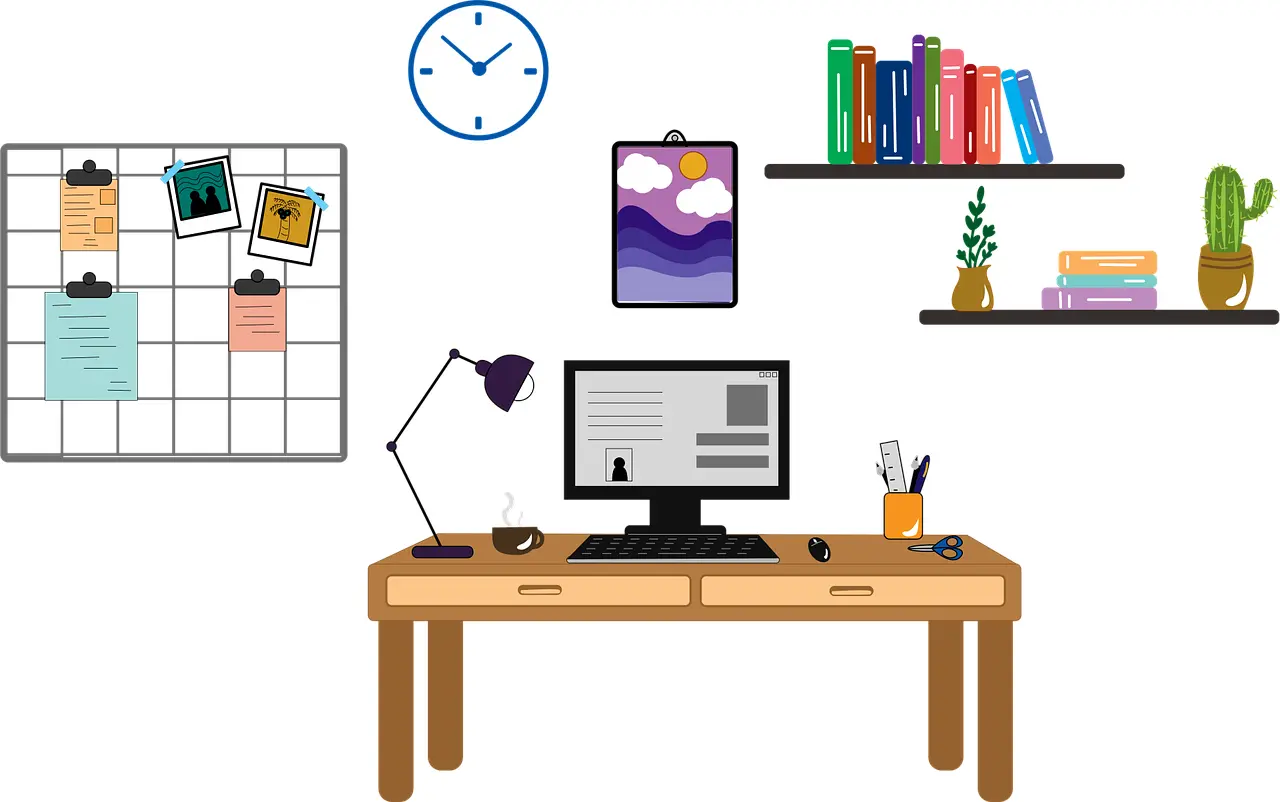
vs

What Exactly Is a Remote Job?
A remote job simply means you can work from anywhere — your home, a café, or even while traveling. All you need is a good internet connection and the discipline to manage your own schedule.
Remote work first became popular among freelancers — writers, designers, and developers who wanted more freedom and control over their time. But in the last few years, it has evolved into a mainstream career option. Companies now hire full-time remote employees across fields like marketing, customer support, project management, and even software engineering.
What makes remote work truly special is flexibility and autonomy. You decide when and where you’re most productive. There’s no rush-hour traffic, no fixed desk, and often no strict 9-to-5. This gives people the freedom to balance personal life and work in a way traditional jobs rarely allow.
However, with great freedom comes great responsibility. You need strong self-discipline to stay organized, meet deadlines, and communicate effectively with teammates across different time zones. But for those who value independence and a personalized routine, remote work feels less like a job and more like a lifestyle choice.
What Defines a Normal Office Job?
A traditional office job is what most of us grew up seeing — a structured routine, fixed working hours, and face-to-face collaboration with colleagues. You wake up, get ready, commute to your workplace, and spend your day surrounded by your team.
This setup offers a clear hierarchy: a manager, team leaders, and defined roles for everyone. For many people, this structure provides comfort — there’s a sense of stability, predictability, and visible career progression. You can build relationships with co-workers, attend meetings in person, and separate work life from home life quite easily.
Jobs in banking, government, and corporate offices typically follow this model. The environment encourages discipline and teamwork but often comes with trade-offs — long commutes, office politics, and limited flexibility.
For people who thrive in routine and enjoy social interaction, office jobs provide belonging and rhythm. But for others, the structure can feel restrictive, especially when creativity or personal freedom is a priority.
The Core Differences
| Aspect | Remote Jobs | Office Jobs |
|---|---|---|
| Work Environment | Home or anywhere | Fixed office |
| Flexibility | High | Low |
| Communication | Mostly virtual | Face-to-face |
| Accountability | Task-based | Time-based |
| Social Life | Limited | Richer office interactions |
| Cost & Commute | Minimal | Daily commute cost |
| Mental Health | Mixed (isolation risk) | Mixed (pressure, politics) |
🌍 The Global Shift to Remote Work
Over the past few years, the way we work has changed more than ever before. What started as a short-term experiment during the pandemic has turned into a permanent part of modern life. People now realize that work doesn’t have to be tied to a specific office — it can happen anywhere. This global shift has opened doors to more freedom, better balance, and a healthier approach to working life.
📈 Key Statistics (2019 – 2025)
| Year / Period | Data Point | Source |
|---|---|---|
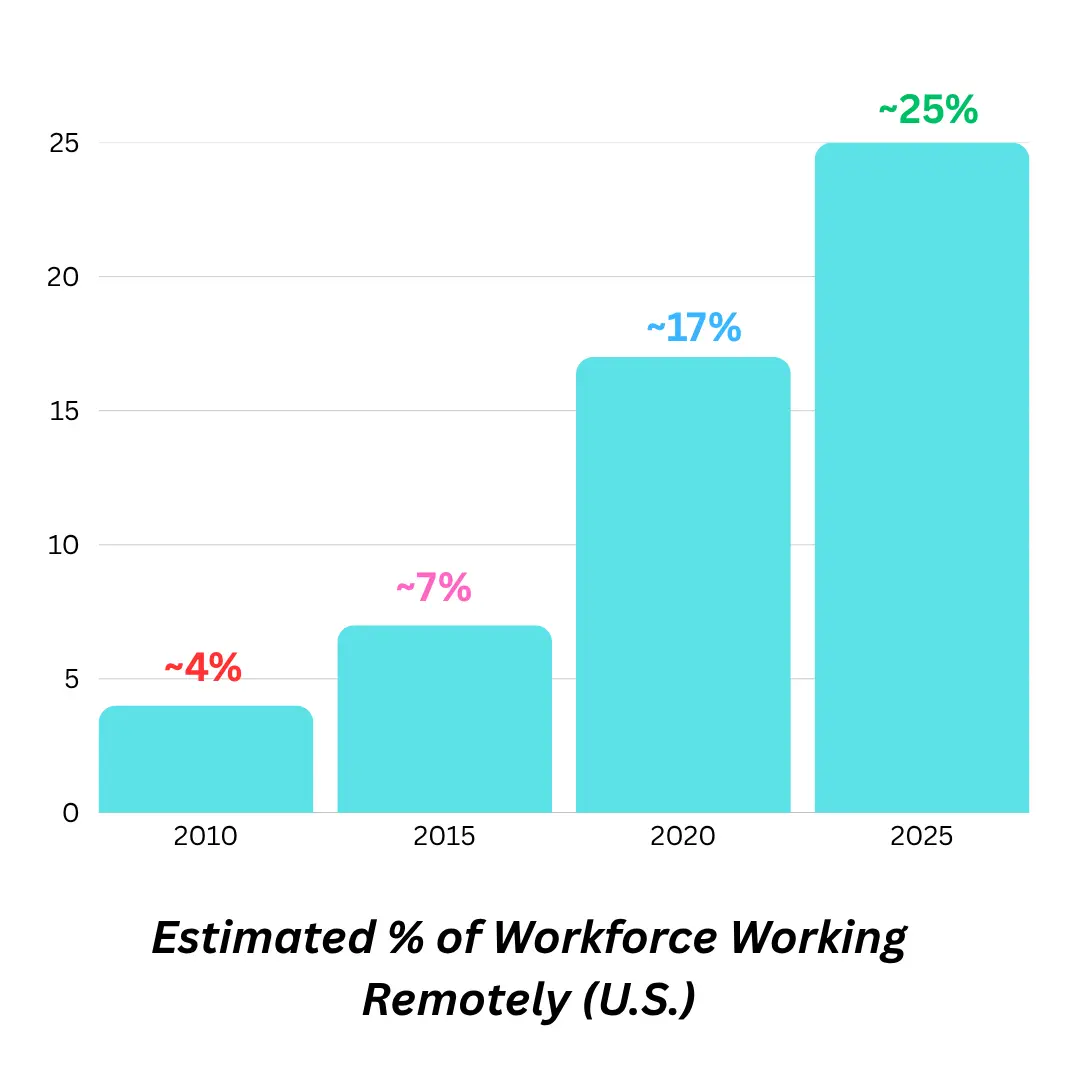
| 2019 | Only 6.5% of private-sector employees worked primarily from home. | U.S. Bureau of Labor Statistics |
| 2025 | “Looking ahead, 32.6 million Americans are projected to work remotely by 2025.” . | INVEDUS |
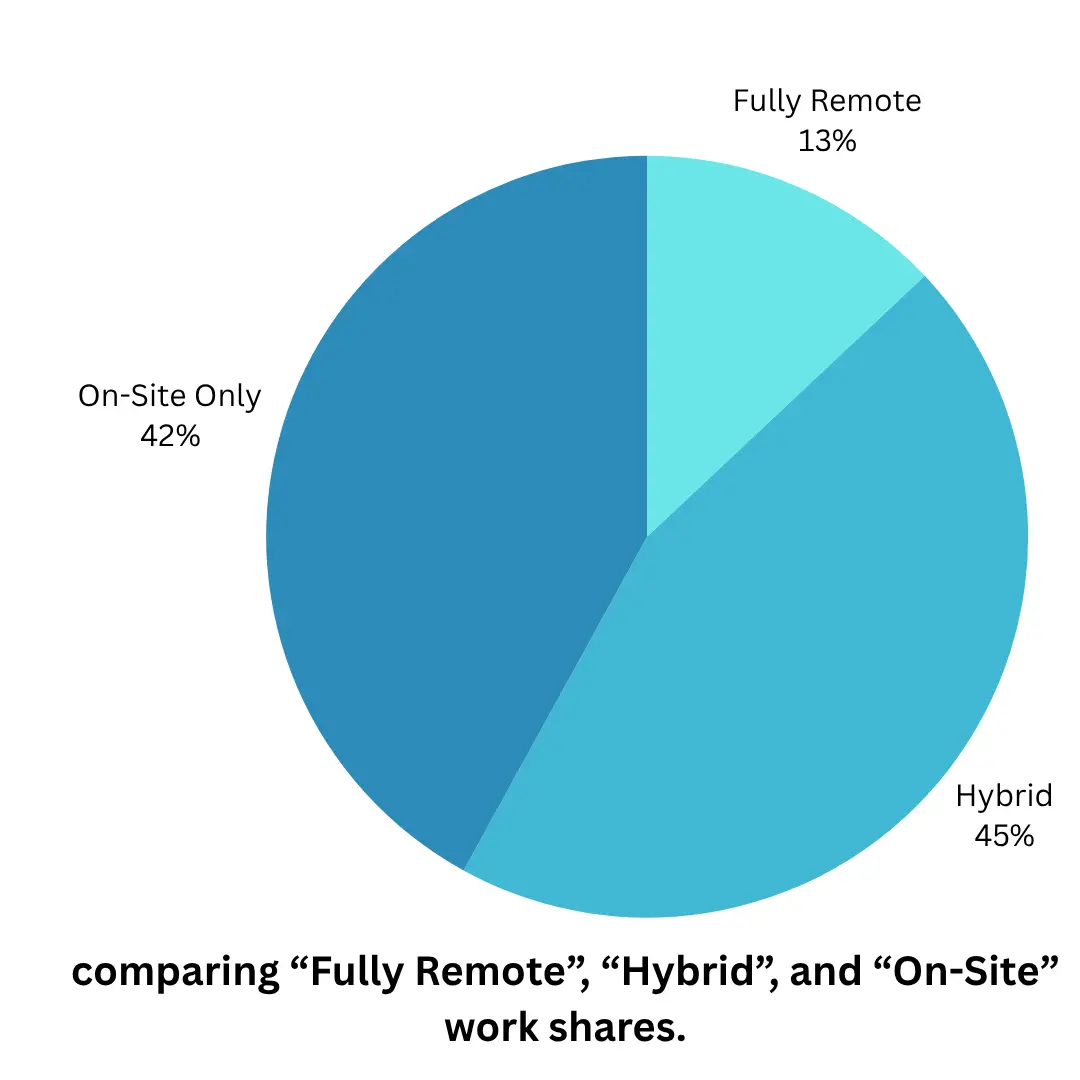
| 2023 → 2025 | Fully remote jobs are expected to grow from 10% to 13% globally. | Robert Half |
| 2025 (U.S.) | About 22.8% of the American workforce will work remotely at least part-time. | Backlinok |
| 2030 (Projection) | Global digital remote jobs may exceed 90 million, a 25%+ increase. | World Economic Forum |
| 2024 (Gallup) | 93% of remote-eligible employees want some form of remote work flexibility. | Gallup Workplace Report |
Showing Remote Job Percentage Growth (2010 → 2025).
Productivity & Performance Reality
Myth: “Remote workers are lazy.”
The stereotype that remote workers are less productive or more distracted has persisted for years. However, data tells a very different story. In reality, remote employees often work longer hours — sometimes without even realizing it — leading to overextension, fatigue, and blurred work-life boundaries.
 What Studies Reveal
1. Longer Working Hours
According to Toggl’s 2023 Remote Work Report, 44% of remote workers said they worked longer hours than the previous year.
Buffer’s State of Remote Work 2023 found that 81% of remote professionals check work emails outside regular hours, and many admit to working on weekends or holidays.
The main reason? The lack of a clear boundary between work and personal life often leads to unconscious overworking.
2. The Challenge of “Unplugging”
In Buffer’s 2021 report, 27% of respondents said their biggest struggle was “not being able to unplug.”
This constant availability creates a form of digital presenteeism — when employees feel pressured to appear online and responsive even after hours, leading to exhaustion and lower long-term productivity.
3. Zoom Fatigue, Burnout, and Performance Risk
Prolonged screen exposure, back-to-back virtual meetings, and minimal real-world interaction often cause Zoom fatigue and burnout.
Research published on arXiv (2022) showed that while individual task productivity (like coding or analysis) remains stable, collaboration, creativity, and trust-building suffer when teams rely entirely on remote communication.
In the long run, this can impact team cohesion and performance quality.
4. The Global and Local Perspective
In developing regions like Bangladesh, studies indicate that remote employees face extra challenges such as inadequate workspace and unreliable infrastructure.
Emotional well-being issues are also higher, as remote professionals often work in less supportive environments compared to traditional offices.
 The Truth: Not Laziness, But Lack of Boundaries
The issue isn’t laziness — it’s lack of structure.
When managed well, remote work can actually enhance focus and efficiency.
Buffer’s 2023 report noted that 91% of remote workers describe their experience as positive.
Many report feeling more productive when they have fewer distractions and better control over their schedules.
The key factors that determine performance are:
Clear start-and-end work boundaries
Regular breaks and downtime
Transparent communication
Active mental health support
Work–Life Balance
Remote Work: Freedom That Can Blur Boundaries
One of the greatest advantages of remote work is flexibility — you can plan your day around your personal life, not the other way around. But this same freedom often comes with an invisible cost: the lines between work and life start to blur.
Many remote professionals find themselves checking emails during dinner, working late at night, or skipping breaks altogether. Over time, this leads to mental fatigue and the feeling of being “always at work.”
Office Work: Structure With Limitations
Traditional office jobs, on the other hand, come with clear schedules and physical boundaries — when you leave the office, work is truly over.
However, this structure often limits personal flexibility. Commuting time, fixed hours, and rigid attendance expectations make it difficult to balance family, rest, and personal growth.
In short, while offices provide separation, they also restrict freedom.
💡 Finding the Balance: Practical Tips for Remote Workers
1. Time-Blocking
Design your day intentionally.
Divide working hours into focused blocks (for example, 90 minutes of deep work followed by 15 minutes of rest).
Time-blocking helps you stay productive while ensuring you actually stop when your day is done.
2. Digital Detox
Unplug regularly.
Set “no-screen” hours in the evening or on weekends to protect your mental health and prevent burnout.
Tools like “Focus Mode” on your phone or website blockers like Freedom or Cold Turkey can help you stay offline.
3. Dedicated Workspace
Create a physical boundary for your work.
Even a small, organized desk signals to your brain that “work happens here.”
When you step away from that space, you allow your mind to detach and relax — something crucial for long-term work-life balance.
Career Growth & Networking
Remote Work: Merit-Based but Less Spontaneous
Remote work often levels the playing field — promotions and recognition tend to depend more on measurable results than on physical presence. This merit-based culture benefits self-driven professionals who thrive on autonomy and output.
However, the downside is that organic networking opportunities—such as hallway conversations, coffee breaks, or casual team lunches—are largely absent. Without these informal touchpoints, remote professionals might struggle to build visibility or form mentorship relationships naturally.
Building connections in a remote environment requires intentional effort — such as joining virtual meetups, contributing to online communities, and maintaining consistent communication with team members and leaders.
Office Work: Visibility and Mentorship Opportunities
Traditional office environments provide something remote setups rarely can: in-person visibility.
Managers notice your effort, colleagues can spontaneously collaborate, and mentorship often develops through informal observation and proximity.
However, this environment also comes with office politics, favoritism, and competition for attention — meaning career growth isn’t always based purely on performance.
In-person environments are ideal for those who value real-time feedback, mentoring, and organic team bonding, but they can also amplify workplace stress or unnecessary comparison.
Hybrid Work: The Best of Both Worlds
The hybrid model combines the strengths of both approaches.
Professionals can focus deeply while working remotely and still maintain personal visibility by attending key in-office days or networking events.
Hybrid setups allow employees to enjoy flexibility, mentorship, and meaningful relationships—without giving up autonomy and work-life balance.
For many modern professionals, this model represents the future of career development — one where productivity, connection, and mental well-being can coexist.
Financial Side
Remote Work: More Savings, Fewer Perks
Working remotely can significantly reduce day-to-day expenses. Without the need to commute, buy formal clothing, or eat out, many professionals save hundreds of dollars each month.
A FlexJobs 2023 survey found that remote workers save an average of $6,000–$12,000 per year by cutting costs related to transportation, office meals, and work attire.
However, financial advantages don’t stop at savings alone — remote professionals also gain control over lifestyle expenses. Living in more affordable areas, cooking at home, or relocating to regions with lower living costs can further stretch their income.
But there’s a flip side: many remote positions still have salary disparities based on location. Companies often adjust pay depending on where the employee lives — meaning a software engineer in Bangladesh or India might earn less than one in the U.S. for the same remote role, despite equal performance.
Office Work: More Perks and Structured Benefits
Traditional office jobs, on the other hand, often come with institutional perks — such as travel allowances, subsidized meals, medical coverage, and clear promotion pathways.
Additionally, salary revisions and performance bonuses tend to be more predictable in office environments, where employee visibility and tenure play stronger roles.
However, these perks can sometimes offset only part of the additional cost of commuting, dressing professionally, and maintaining a presence near expensive urban centers.
🌍 The Pay Gap Reality
While remote work expands global opportunity, it also introduces new inequalities.
According to Payscale’s 2024 Remote Work Report, over 60% of global companies still use location-based pay models. As a result, a remote marketer in Southeast Asia might earn 30–50% less than someone in North America performing the same role.
Some forward-thinking companies, like GitLab and Basecamp, are challenging this approach by offering equal pay for equal work, regardless of location. Yet, this remains the exception rather than the norm.
💡 Key Takeaway
Financially, remote work empowers professionals to spend less and save more, but the long-term earning potential still depends on employer policies and geographic fairness.
The smart approach?
Leverage your cost savings strategically.
Diversify income through freelancing, side projects, or digital products.
Negotiate transparently with employers about pay parity and performance-based raises.
In the evolving global economy, the future belongs to those who not only work remotely — but also earn intelligently.
Mental Health & Social Connection
The Hidden Cost of Isolation
Remote work offers autonomy and peace — yet, behind that comfort often hides an invisible challenge: loneliness.
Without daily in-person interactions, even high-performing professionals can start to feel emotionally disconnected. A Gallup 2023 survey found that 23% of remote workers report frequent feelings of loneliness, while another 41% say they miss casual social contact with colleagues.
This emotional gap doesn’t just affect mood — it can influence motivation, creativity, and even physical health. Over time, isolation can quietly evolve into anxiety, burnout, or a sense of detachment from the team.
Office Work: Social Energy, But Emotional Fatigue
In contrast, traditional office setups provide constant social interaction — spontaneous conversations, group lunches, and shared celebrations foster a sense of belonging.
However, being surrounded by people all day can also lead to emotional exhaustion. The need to stay “socially on” or navigate office politics can drain mental energy, especially for introverts or highly focused professionals.
So, while office work strengthens connection, it may also amplify stress, overstimulation, and performance pressure.
Remote Wellness: Rebuilding Human Connection
The key to thriving remotely lies in intentional connection.
Here’s how remote professionals can safeguard their mental health and social well-being:
1. Create a Social Routine
Schedule regular calls or virtual coffee chats with colleagues or friends. Human interaction — even short, meaningful ones — keeps emotional balance intact.
2. Separate Work and Rest Zones
Never let your workspace dominate your home. Physical separation helps your brain distinguish between “work mode” and “relax mode,” reducing chronic stress.
3. Prioritize Movement and Nature
Daily walks, stretching, or spending time outdoors help regulate mood and energy. Physical motion breaks mental stagnation and fosters a sense of grounding.
4. Seek Mental Health Support
If you often feel isolated or anxious, reach out for help — whether through online counseling, therapy apps, or community groups. Digital tools like BetterHelp or Talkspace make professional help accessible from anywhere.
Remote work has transformed freedom — but freedom must be balanced with connection.
Building meaningful relationships, staying active, and nurturing emotional health are not optional — they’re part of sustainable productivity.
In the end, thriving remotely isn’t about working alone; it’s about learning how to stay connected, centered, and mentally strong — no matter where you work from.
Mental Health & Social Connection
The Hidden Cost of Isolation
Remote work offers autonomy and peace — yet, behind that comfort often hides an invisible challenge: loneliness.
Without daily in-person interactions, even high-performing professionals can start to feel emotionally disconnected. A Gallup 2023 survey found that 23% of remote workers report frequent feelings of loneliness, while another 41% say they miss casual social contact with colleagues.
This emotional gap doesn’t just affect mood — it can influence motivation, creativity, and even physical health. Over time, isolation can quietly evolve into anxiety, burnout, or a sense of detachment from the team.
Office Work: Social Energy, But Emotional Fatigue
In contrast, traditional office setups provide constant social interaction — spontaneous conversations, group lunches, and shared celebrations foster a sense of belonging.
However, being surrounded by people all day can also lead to emotional exhaustion. The need to stay “socially on” or navigate office politics can drain mental energy, especially for introverts or highly focused professionals.
So, while office work strengthens connection, it may also amplify stress, overstimulation, and performance pressure.
Remote Wellness: Rebuilding Human Connection
The key to thriving remotely lies in intentional connection.
Here’s how remote professionals can safeguard their mental health and social well-being:
1. Create a Social Routine
Schedule regular calls or virtual coffee chats with colleagues or friends. Human interaction — even short, meaningful ones — keeps emotional balance intact.
2. Separate Work and Rest Zones
Never let your workspace dominate your home. Physical separation helps your brain distinguish between “work mode” and “relax mode,” reducing chronic stress.
3. Prioritize Movement and Nature
Daily walks, stretching, or spending time outdoors help regulate mood and energy. Physical motion breaks mental stagnation and fosters a sense of grounding.
4. Seek Mental Health Support
If you often feel isolated or anxious, reach out for help — whether through online counseling, therapy apps, or community groups. Digital tools like BetterHelp or Talkspace make professional help accessible from anywhere.
Remote work has transformed freedom — but freedom must be balanced with connection.
Building meaningful relationships, staying active, and nurturing emotional health are not optional — they’re part of sustainable productivity.
In the end, thriving remotely isn’t about working alone; it’s about learning how to stay connected, centered, and mentally strong — no matter where you work from.
Which Is Better for You?
There’s no single answer — it depends on your lifestyle, priorities, and personality.
Both remote and office work have clear strengths, but the right choice depends on what energizes you, not just what looks good on paper.
Take a moment to reflect on what truly matters to you:
Do you thrive in structured routines, or do you need freedom to flow?
Does social interaction recharge you, or drain you?
Are you driven by collaboration, or by quiet focus?
Here’s a quick guide to help you find where you belong 👇
🔹 Bullet Checklist
✅ Prefer structure and stability? → You’ll likely thrive in an office environment, where schedules, face-to-face communication, and team support are built into your daily rhythm.
✅ Value flexibility and independence? → You might prefer remote work, where you can shape your own time, location, and pace — as long as you stay disciplined and self-motivated.
✅ Crave balance and variety? → The hybrid model could be ideal. It offers the best of both worlds — flexibility when you need focus, and collaboration when you need connection.
🪞Short Self-Reflection Quiz (Coming Soon!)
You’ll soon find a short quiz here to help you identify your natural work style.
Questions will focus on your energy patterns, focus habits, and social preferences — helping you understand which environment truly supports your well-being and productivity.
Choosing between remote and office work isn’t about following trends — it’s about finding your personal rhythm.
The best workplace is the one that helps you feel focused, fulfilled, and free to do your best work — wherever that may be.
Conclusion
Remote work and traditional office jobs both come with distinct advantages and challenges. From productivity and work-life balance to career growth, finances, and mental health, the right choice depends on your personal priorities, habits, and lifestyle.
The key insights from this guide:
Remote work offers flexibility, savings, and autonomy, but requires discipline, intentional connection, and careful boundary-setting.
Office work provides structure, mentorship, and in-person visibility, but can be restrictive and socially draining for some.
Hybrid models combine the best of both worlds, giving professionals control over focus, connection, and balance.
Financial realities and mental health are equally important — saving money or networking shouldn’t come at the cost of well-being.
Think Long-Term, Not Trend-Based
Choosing the right work environment isn’t about following popular trends or what’s “hot” right now. It’s about building a sustainable, healthy work life that supports your productivity, growth, and overall happiness.
Want to build a healthier remote life?
Explore more guides, tips, and resources on Healthy Remote Workers and start shaping a work routine that truly works for you.
💬 Leave a Comment
🔗 Share this post